Three Questions That Changed How I Choose Friends
Lessons from friendships lost
When we moved from San Diego to Texas in 2025, a friend introduced me to the Marco Polo app.
“Let’s stay in touch this way,” she said. “We can send each other videos throughout the week.”
What a gift that became.
Friendships need tending, and long-distance ones need more than the occasional text that says, “We should catch up soon,” followed by six months of silence and a vague sense that you still love each other somewhere between adulting, bills, and forgetting why you walked into the kitchen.
We talk about her workouts, because she is a personal trainer. We talk about the dinners she makes, because she is far more devoted to home cooking than I am. Mostly, we share the mundane moments of daily life: our children, a funny story, a hard day, a walk, a worry, an unexpected win.
These micro-moments are the marrow of our friendship, signaling, “I’m still here, and you still matter.”
When You Get Too Good at Being Alone
We come from different worlds.
She knew the isolation of being an only child. I knew the disorientation of never belonging. Somewhere in that shared perspective, we learned something that followed us into adulthood: if you live with loneliness long enough, you get very good at living with it. That can be a strength but also a hiding place.
You learn how to self-soothe, make your own plans, and need very little from other people. Eventually, you may stop noticing the moments when you need a heart-to-heart with another hooman, someone who knows your face well enough to recognize when you are saying “I’m fine” with your mouth while your spirit is quietly waving a white flag.
Here is a truth bomb: the flip side of our strengths can become a weakness when we are not paying attention.
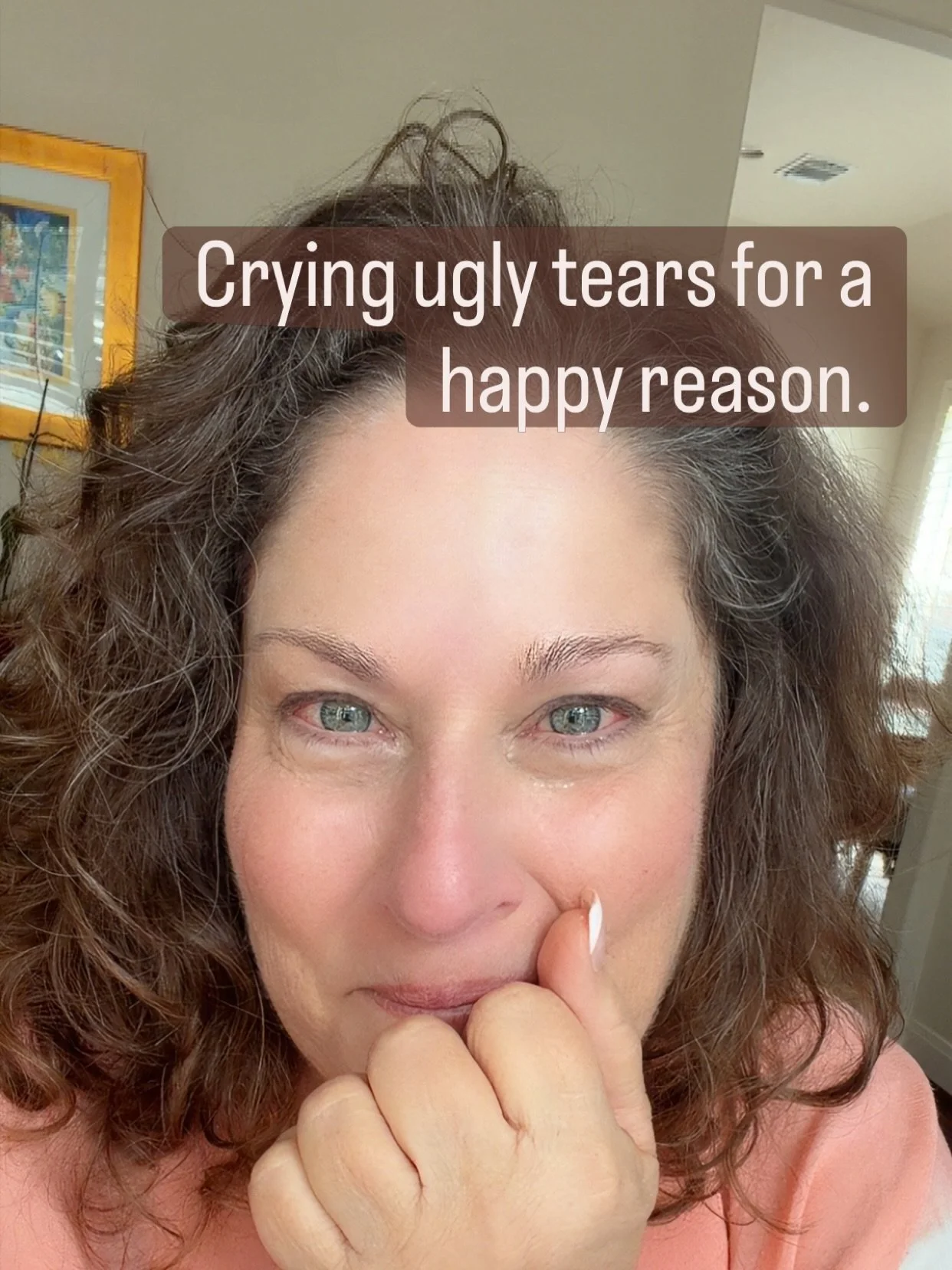
When you have learned how to be alone, walking away can become easier than staying present long enough to see whether something can be repaired. On the other hand, many of us hold on long after the friendship has faded, ignoring red flags, red signs, and red eyes from crying.
But, honey, here's a second truth bomb: access is not friendship, and history is not intimacy. I was a people pleaser for too much of my life. I made excuses, over gave, and accepted crumbs. I mistook being needed for being loved and being useful for being valued.
If you have a pattern of choosing the wrong mates, as I once did with what I affectionately called my terrible pecker picker, it is worth asking how some of those same patterns may have shaped your friendships.
The Questions That Help You Choose Your People
Years ago, I trained with relationship expert, Dr. Diana Kirschner, PhD, who teaches women to ask three powerful questions for evaluating romantic relationships: Is he crazy about you? Does he meet the basics? Is he willing to grow?
While contemplating the changing landscape of friendship, I realized those questions are prescient to our non-romantic relationships too. I changed the language because friendship is its own sacred terrain, but the heart of the questions remains the same.
Does She Meet the Basics?
This is about values, lifestyle, and lifecycle compatibility because shared memories alone do not create a heart-to-heart friendship.
Honesty, respect, reliability, reciprocity, kindness, accountability, and care form the foundation. A real friend shows up, apologizes when she causes harm, and stays engaged when discomfort enters the room.
Some relationships become heavy because one woman is doing all the tending, translating, forgiving, initiating, and accommodating. That kind of friendship is exhausting, especially when the outside world sees only happy photographs and years of shared memories. A friendship should not require a spreadsheet, a therapist, and a recovery day after every interaction.
Friendship needs room for hard seasons, grief, messiness, and human imperfection. It also needs enough mutual care that both women feel safe, seen, and respected.
Is She Willing to Grow?
Every meaningful relationship eventually reaches a threshold.
Someone changes. Someone gets hurt. A misunderstanding lands badly. Life rearranges itself; priorities shift, wounds get touched, and suddenly the friendship requires more than history and good intentions.
Can we tell the truth without trying to wound each other? Can we hear difficult feedback without shutting down, deflecting, or disappearing? Can we repair what is repairable, forgive without pretending harm never happened, and acknowledge when something is no longer healthy?
A strong friendship requires participation from both women. It asks us to care about impact alongside intention because loving someone does not erase the effect our choices can have on her heart.
Commitment means choosing each other in ways that make the relationship safe to keep choosing. Nobody needs perfection, although a little emotional maturity and the ability to answer a text within the same presidential administration would be lovely.
Good is the friend who can say to you, “That hurt,” and also, “I’m not leaving.”
Is She Choosing You as Much as You Are Choosing Her?
Pay attention to whether you feel welcomed or merely tolerated. There is a difference between being cherished and being included because someone need one more body at brunch.
“I mistook being needed for being loved and being useful for being valued.”
A friendship cannot thrive when one person continually reaches while the other offers occasional attention. Mutuality creates the safety that lets women relax, tell the truth, and trust that the relationship can hold the full reality of who they are.
You should not have to audition for a role in a friendship you thought you already had.
Choose Wisely, Badass
Those three questions have changed the way I choose friendship, and how I show up too; more honest, more discerning, more willing to be seen, and more willing to stay in the room when something gets uncomfortable.
I believe in forgiveness, second chances, and the possibility that people can rise to meet each other with more maturity than they had before. I also believe forgiveness does not require me to keep volunteering for the same wound.
Every loss clarifies what love alone could not. It reveals what we tolerated, what we contributed, what we failed to name, and what we will choose differently when the next friendship asks us to show up with a wiser heart.
Because we are far too grown to keep calling emotional scraps a friendship feast.
Related:
When a Friendship Dies Before It Ends
One Friendship. Two Women. Three Truths.
Four Forms of Friendship Grief: Why Losing a Friend is Never Just One Loss