The Unbearable Joy of Maternal Grief
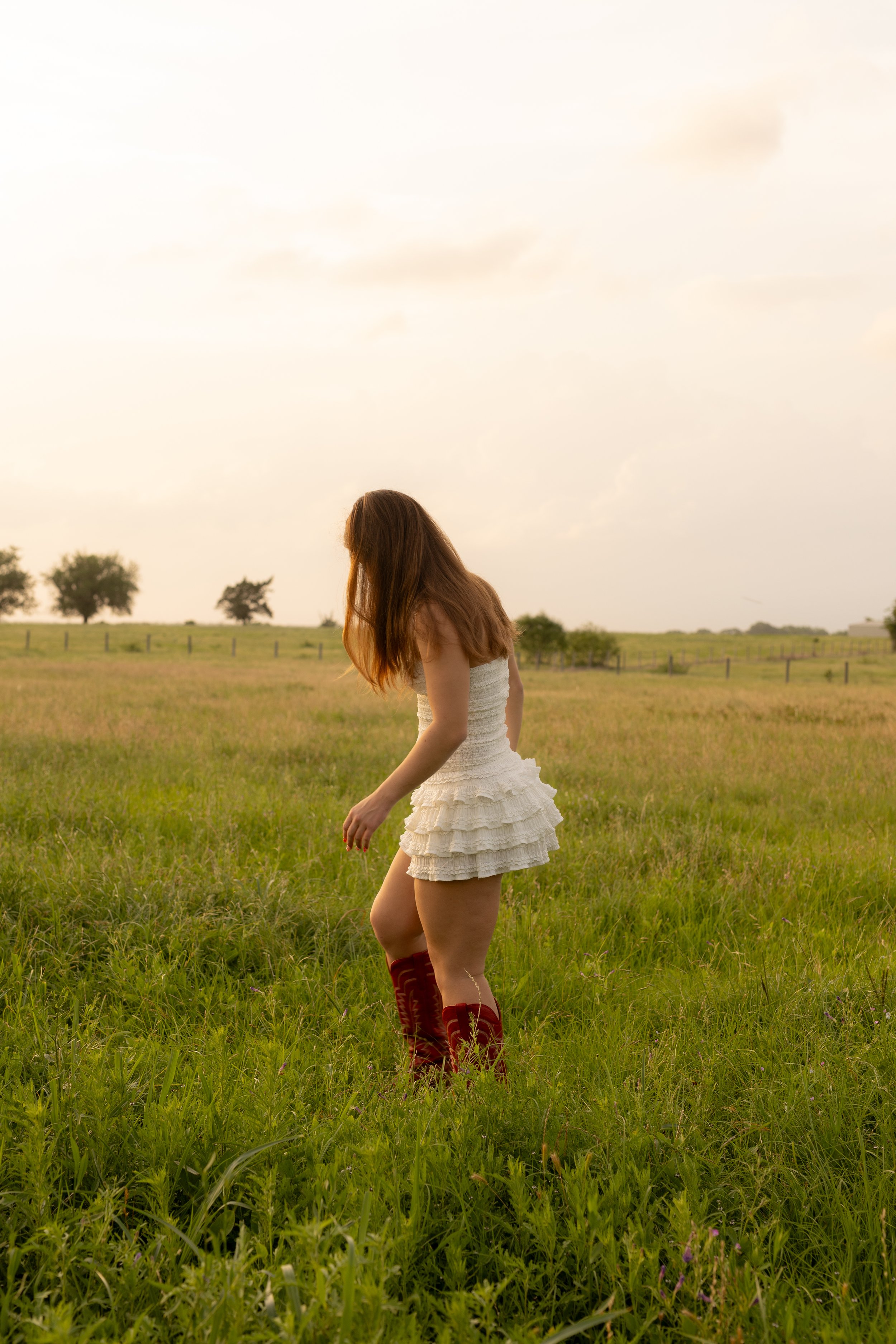
She steps outside wearing an oversized t-shirt. Her face still carries the softness of sleep, eyes half-closed. For one suspended moment, she looks like my little girl again.
“Mom, you said you were gonna come at six.”
“I know, honey. It just took us longer.”
Then she steps forward to give me a hug, one final hug.
My daughter is taller than me now and has been for a few years. I’m still not used to wrapping my arms around this strong, athletic woman who was once my little girl. We stand there silently for a few moments, feeling The Feels mothers and daughters sometimes can’t say out loud.
I whisper into her ear. “I love you, honey. I know you’re gonna do really well. I’m so proud of you.”
“Thanks, Mom. I love you so much. I’m gonna miss you.”
“I’m gonna miss you seven,” I say. In our family parlance, seven is the biggest number in the world.
We hold each other in one of those fierce goodbyes, the kind of moment, that if we’re lucky enough to recognize in real time, get filed away in the Catalogue of Very Important Memories.
Then she walks back into the house, I get into the car, and my beloved and I drive off. The youngest of our combined children has flown.
As I relive watching my daughter step into becoming a woman on her own terms, another thought rises quietly inside me:
Eight years ago, I wrote an essay called Play Like a Girl, Wary Like a Woman: I Taught Her to Be Free. Now I Have to Teach Her to Be Wise. In it, I wrestled with the tension between wanting my daughter to move boldly through the world and knowing that one day I would no longer be there to soften every landing or bandage every skinned knee.
That day has arrived too soon for this tender heart.
1984: Another School. Another Reinvention.
I’m almost 17. We’re living in Hollywood, my junior year has just begun, and my mom comes home one day and says, “We’re moving.”
I’ve already attended more schools than most will in a lifetime, and this becomes my third high school, the one I will eventually graduate from with a 3.7 GPA despite the constant moves from one place to the next.
Except this time, stability accompanies the move.
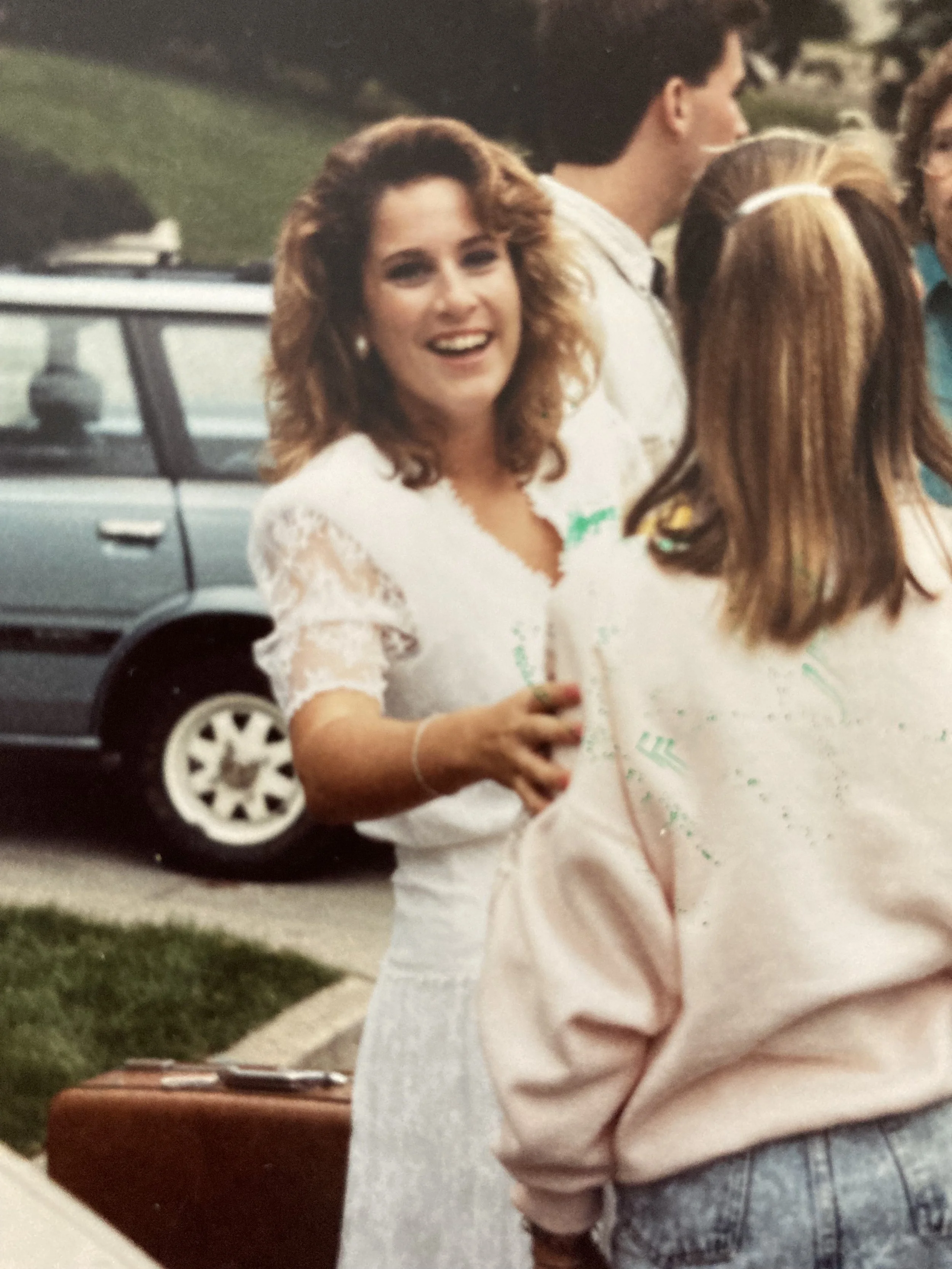
My father, who I haven’t seen since I was 11 years old, comes back into my life. At the time, “parental alienation” isn’t in the collective vernacular. I will never fathom how he survives years not knowing where his youngest is.
All I know is that I have my own room and real furniture, and I’m going to a school in a neighborhood that isn’t punctuated by gunshots at night or creeps hiding behind cars.
I spend the first few months in the school library at lunchtime. Books assuage my loneliness, and it is easier to pretend to study under the curious gaze of the librarian than eat alone in the cafeteria.
Friendships blossom, and I see my first Rocky Horror Picture Show. I even do the crazy wild things kids of that era do, like sneaking into the drive-in in the trunk of a car and skinny-dipping in the cold Pacific waters with friends.
It will take years before I fully understand the emotional labor of constantly adapting and the loneliness of being “the new girl” over and over again.
Resilience is not born from comfort, but it is often born from disruption.
1985: First Love
He plays football for the rival high school, has the kind of absurdly long eyelashes usually reserved for llamas and Disney princes, and wants to be an engineer like his father.
We date for three years, well into college.
First love treats me well.
2002–2008: The New and Improved Versions Arrive
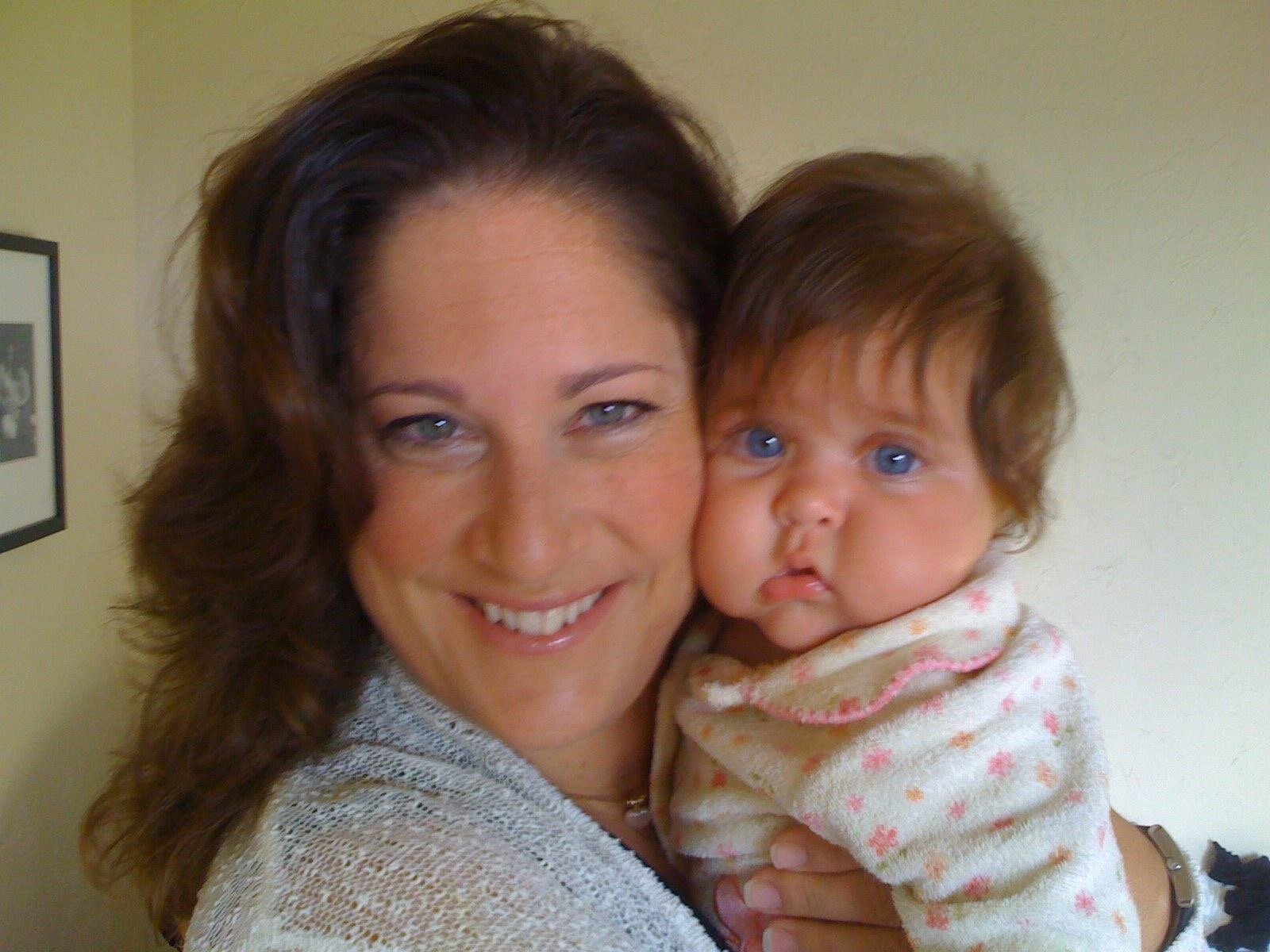
Two marriages, two divorces, two children later, this much I know: my boy and my girl are my miracles despite the experiences that punctuate my 20s, 30s, and 40s.
2020–2021: Mothering in the Time of Pandemia
The coyote stands in the middle of the street in our suburban San Diego neighborhood in the middle of the day. There is no traffic and hasn’t been for days as we are all instructed to shelter in place for two weeks.
Mine is the lone car on the road.
Warnings be damned, I need to go for a drive to clear my mind.
The light turns green, but the coyote refuses to move as I slowly inch the car into the intersection. I can see the flecks in his fur as I swing wide so I don’t hit him.
Both of my kids are home doing “online” school. Walks on the beach and grocery shopping become respites, the semblance of normalcy I desperately cling to.
I live off savings to keep my kids fed and housed under my single-parent roof while trying to recognize the world gone awry around us.
My son graduates without any of the fanfare adolescents the year before or the year after experience. I suppose we are one of the lucky families, as he doesn’t mind missing prom, football, or lunchtime.
At the end of the school year, I move from San Diego into Poway Unified to do my best to get my daughter into a district that isn’t quite as draconian as SD Unified.
Life eventually asks all of us to face uncertainty. But under my watch, I do my best to give my children roots and wings, shelter and freedom, love and responsibility.
2024: Finding My Bescherte
I dip my toe in the dating pool once more, activating a Facebook dating profile that has lain dormant for months.
His face comes up in my feed, and my first thought is: he looks dangerous in a kind way. Like he knows where the bodies are buried, but only because he had to.
Because I’ve made a commitment to myself to read all the bios before I swipe left or right, I read his. A widower. A musician. Doting father. Uses complete sentences and proper grammar. The juxtaposition of his photo and his prose-etic profile bio catches my heart’s eye.
He leaves me one message: We should talk.
Followed by another two days later: We really should talk.
So much said in those few words.
I call him on a Sunday, and we talk for almost three hours. Our first date is Tuesday.
Is it possible to turn a corner, look into someone’s eyes for the first time, and feel the archival ache of recognition before memories have time to form? Who is this man with the velvety voice, the tribal eyes, the wit and wisdom of the only man I’ve ever met who, it turns out, reminds me of the best of my father (may he rest in peace)?
2024: I Am Lovable
We’re on the phone, and he says to me, “It may be too early to say this, but I’m going to do it anyway.”
“I’m falling in love with you.”
I’m silent for an excruciating moment.
Then I reply with the eloquence of a mule, “I guess I’m kinda lovable.”
Realizing by his silence that my response is woefully underwhelming, I add, “I have Bigly Feels too,” somehow making the situation worse.
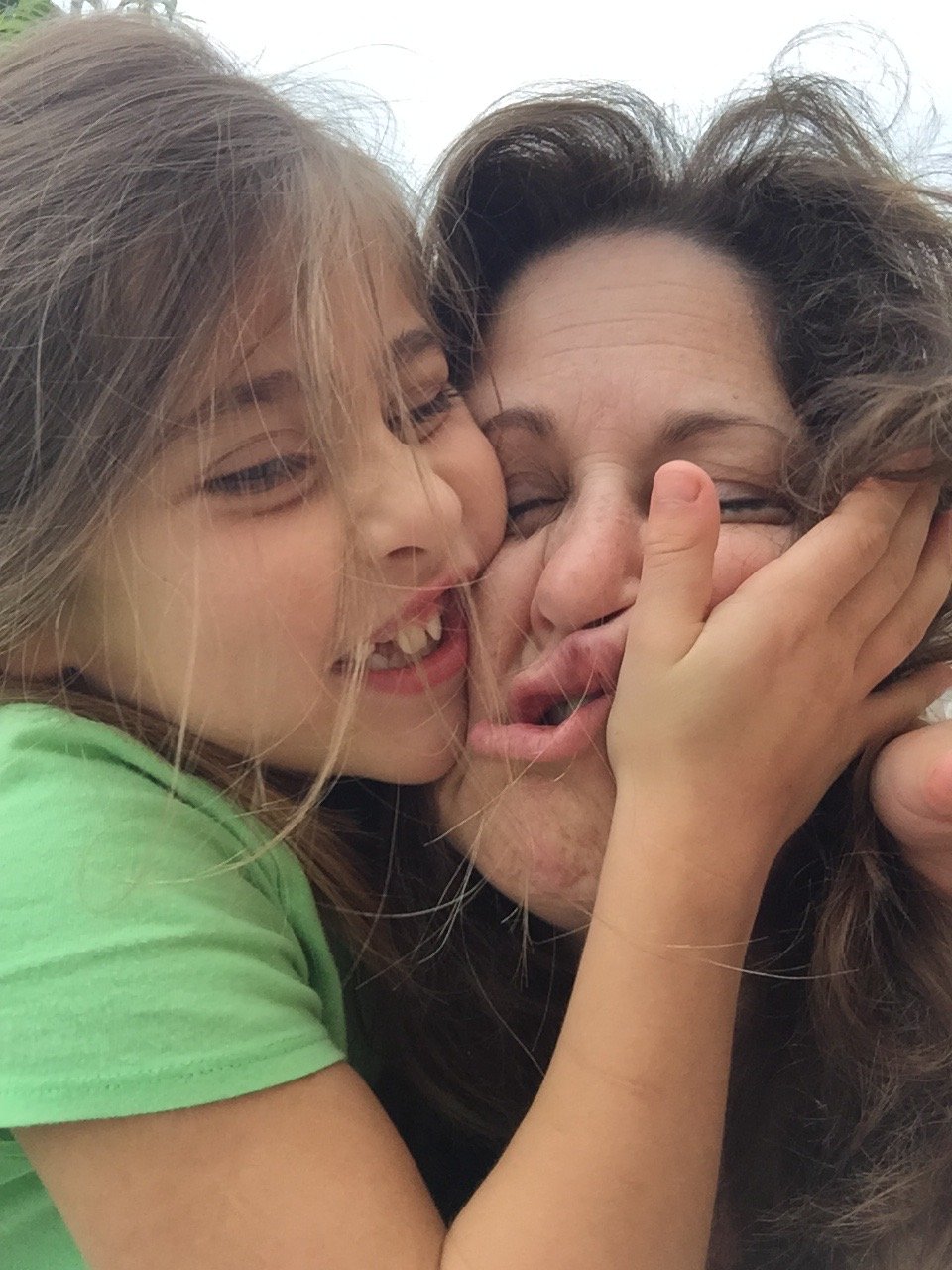
My now-husband thinks I’m calling it off in the most inglorious way imaginable.
It is only after we salvage his heart that I tell him what I’ve been saying to myself for months before meeting him, a prelude practice to The Badass Arts, what I now call my original badassfirmation:
I am Loved.
I am Loving.
I am Lovable.
For the first time in my life, I feel emotional steadiness from a romantic partner. For him, there is no need to adapt myself to earn his care. It is the blossoming of a grounded partnership where barren hope once lived. That man is my bescherte, my destiny, my protector, my provider, my fartner in crime, the one who makes me laugh with the mirth of a thousand Shakespearean plays.
2024: Dreams Come True
“Your writing is beautiful,” he says.
He’s read many blogs and essays I’ve written under fake names or simply kept in the cocoon of my computer hard drive.
My Italian temper flares at what I perceive as audacity. We have our first fight because, by golly, what woman with my life choices has time to write? I have to put food on the table, I tell him, and blogs don’t pay the light bill.
“But you’re not writing a book,” he says. “You’re building a movement.”
“And I’m going to buy you a house,” he says.
I look at him with shock.
He means it.
Two years after that argument, I’m writing this while sitting at my desk overlooking my front yard, the one that comes with the home he buys me the same month we get married.
In front of our children and close friends on a beautiful May afternoon we exchange our vows. He’s going to move to Texas for his new job, and I’m going to stay in Southern California for my daughter’s senior year. Somehow, some way, we’re going to make long-distance marriage work for nine long months.
2025: Casa Shalom
Except three days later, the joy of marriage is interrupted by the sudden notice to move. My landlord is selling the condo we’ve called home for almost four years, an eternity compared to my childhood wanderings.
Within months, we will have gotten married, sold one home, moved two households 1,500 miles, and bought another home, the one we eventually name Casa Shalom.
My daughter will do her senior year at another school, and it takes me months to fully recognize the impact the move has on her friendships, familiarity, and sense of grounding. The whiplash of relocation, so familiar to me, is foreign terrain for her.
I watch her navigate instability while realizing resilience cannot be inherited secondhand. It is an expensive crash course for someone’s senior year, mortar to her foundation as her life unfolds.
She’s experiencing the complicated emotional cost of adulting, and I’m learning that letting go is rarely graceful when it arrives before you’re ready.
2026: A Fork in the SoulJourn of Our Lives
“Mom, I have to talk to you,” she says.
We sit around the kitchen table, and she’s guarded in a way that feels new and alarming.
“I’m moving back.”
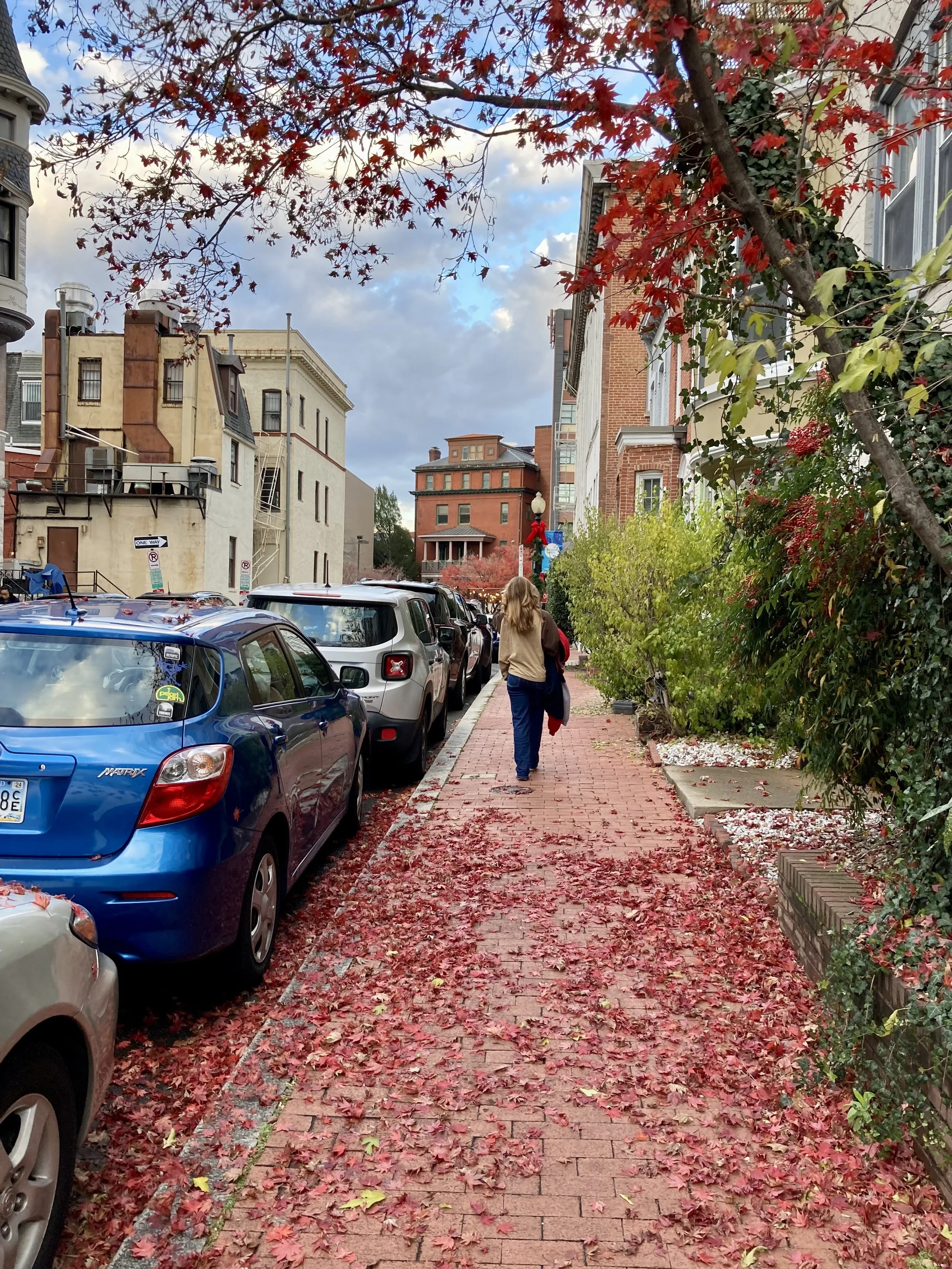
I feel a lump rise in my chest as she continues making her case. I’m losing my baby, I panic. She’s never acclimated. She misses her life. She misses her friends. She’s been sad.
It’s only been a few weeks since we found a name for her pain: relocation grief.
Before I can say anything, my beloved steps in and, in classic form, is wise and supportive. He says all the things I know I should say but don’t want to say, because all I want is for her to stay here and continue college nearby.
She’s relieved.
“I thought you’d disown me.”
That stabs on so many levels I can’t even bear to look directly into the mirror of that grief.
No one ever tells you the baby birds might be ready to fly before the mama bird is ready to let them go.
And so the next two months become about preparing her for the move: sorting clothes, taking AP exams, planning logistics, teaching last-minute life skills, and trying not to let my heartbreak spill into every conversation.
Because one of the things I did as a mother was do so much for her precisely because no one had done enough for me.
2026: Graduation and the Long Road Home
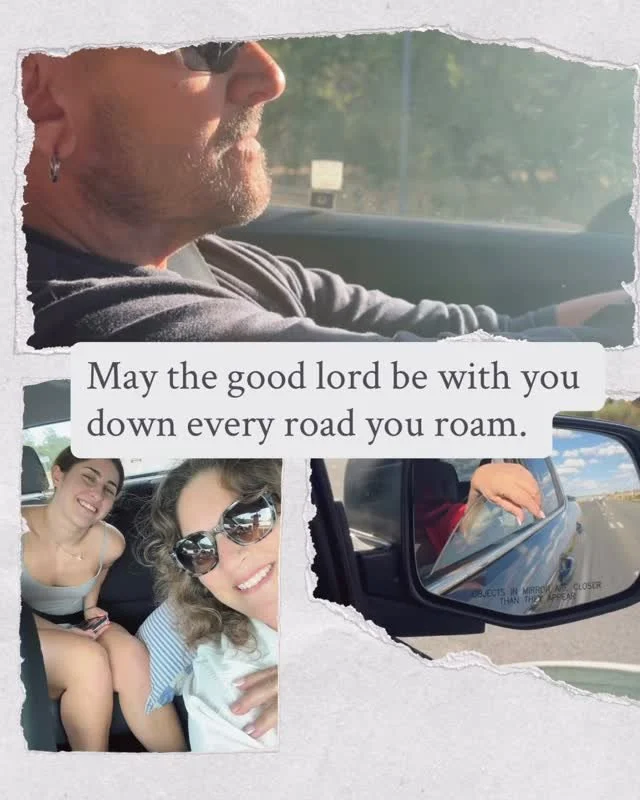
The moments count down as we pack the 10-year-old truck with 257,000 miles, the mechanical heart of a vehicle with far less wear and tear. This windshield has seen this highway trek six times already.
The miles stretch before us in deserts, thunderheads, truck stops, bad coffee, laughter, exhaustion, bickering, tears, frustration, and hope.
I’m exhausted to the point of amygdala hijack, and my beloved and daughter bear the brunt of my old patterning.
Somehow, we arrive at her new home and the strange tenderness so sorely needed. Something important is ending while something equally important is beginning.
There is no ceremony or preparation for the thousand tiny moments where you realize your child no longer belongs to your life alone. And that is the unbearable joy of maternal grief: raising someone to leave you well.
She spends the night at a friend’s home, and we plan to say one last goodbye before we drive back to Casa Shalom.
2026: It’ll Be More Peaceful
It’s still the quiet hour when we pull up to where she’s staying.
She steps outside wearing an oversized t-shirt, her face carrying the exhaustion of too little sleep. She’s my little girl. She’s my grown daughter.
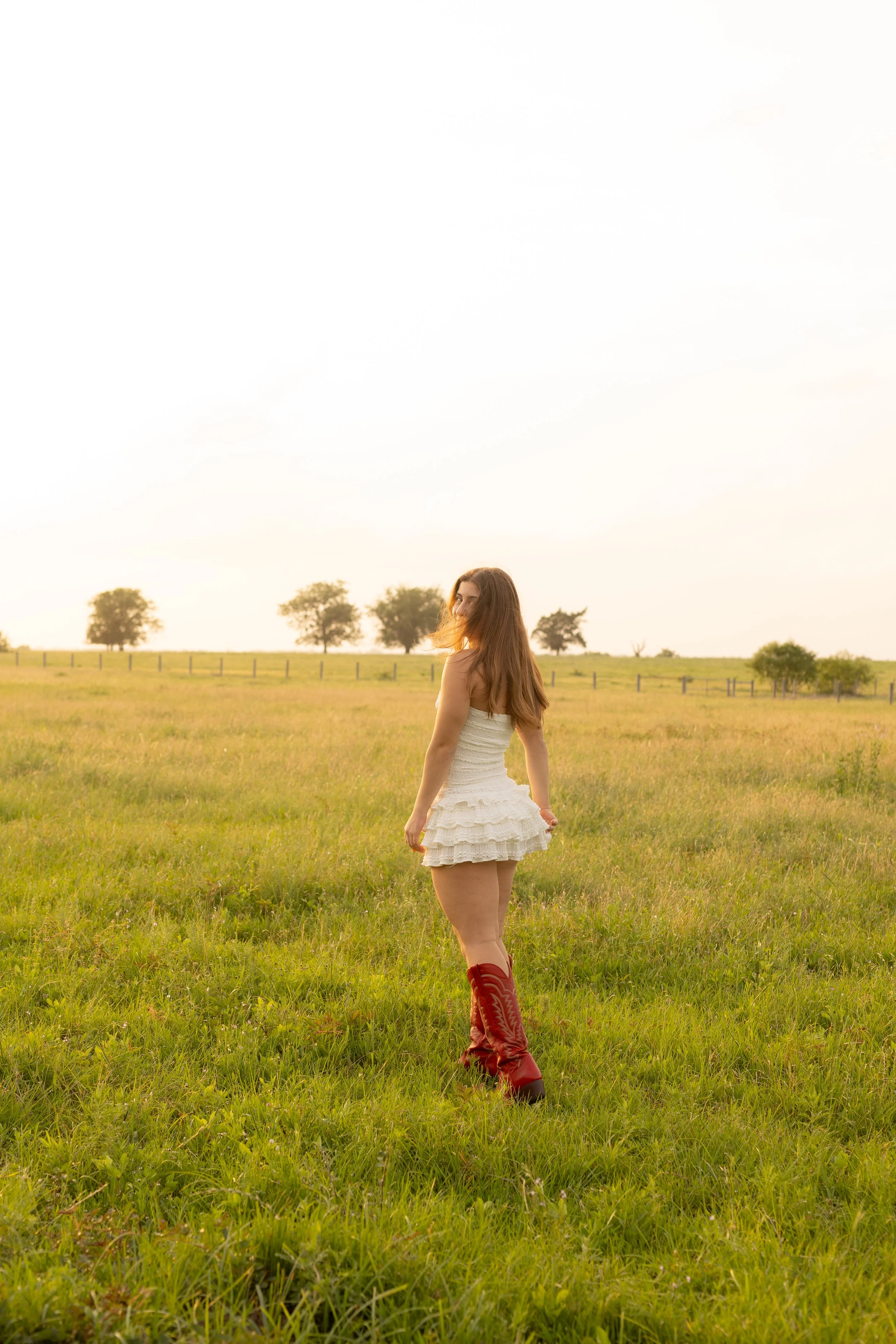
Beautiful then. Beautiful now.
Later, in her sweetness, she tries to comfort me in a text. “Just think of it this way, Mom. It’ll be more peaceful.”
And all I can think is I feel pieceless.
I understand that all along, I’ve been trying to give my children the stability I once craved myself. But life asks all of us to face uncertainty eventually. The difference is that my daughter enters it already knowing she is loved and cherished.
This much I know:
Motherhood was never about raising children who never fall. It was always about raising someone who trusts herself enough to fail and fly, over and over again.
Motherhood has been the greatest SoulJourn of my life.
And so here we are.
Don’t be afraid to fail, child. You’ve been taught to fly.
Related Essay: Play Like a Girl, Wise Like a Woman